Cut Vinyl
Custom solid-color cut vinyl generally costs $5 to $15 per square foot for the raw finished graphics.
The final cost of a finished cut vinyl project depends heavily on the specific type of vinyl you choose and how complex the design is to “weed” (separating the excess vinyl from the letters).
Main Types of Solid Color Vinyl
Adhesive vinyl is broadly classified by how it is manufactured and how long it is designed to last.
| Vinyl Type | Lifespan | Best For | Characteristics |
|---|---|---|---|
| Monomeric Calendered | 1–3 Years | Indoor signs, temporary promos | Economical, thicker, prone to shrinking outdoors. |
| Polymeric Calendered | 3–5 Years | Flat outdoor signs, window decals | Mid-tier, resists outdoor shrinking better. |
| Cast Vinyl | 5–8+ Years | Vehicle wraps, curved surfaces, long-term signs | Premium, ultra-thin, conforms to rivets and deep curves. |
1. Calendered Vinyl (Intermediate / Economy)
Calendered vinyl is made by melting PVC plastic and pressing it through heavy, heated rollers to flatten it into a sheet.
- The Look & Feel: Thicker (usually 3 to 4 mils) and slightly stiffer.
- Pros & Cons: It is highly budget-friendly. However, because the plastic is stretched during manufacturing, it retains “material memory” and will slowly shrink, fade, or crack over time when exposed to harsh sunlight and weather.
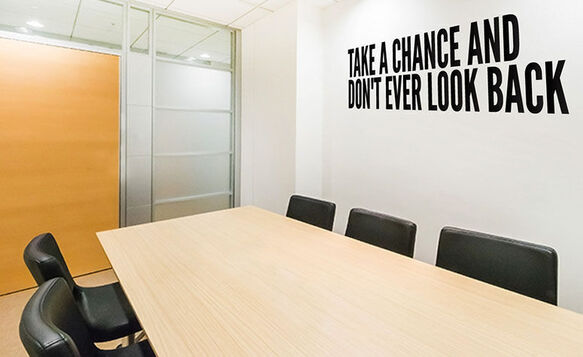
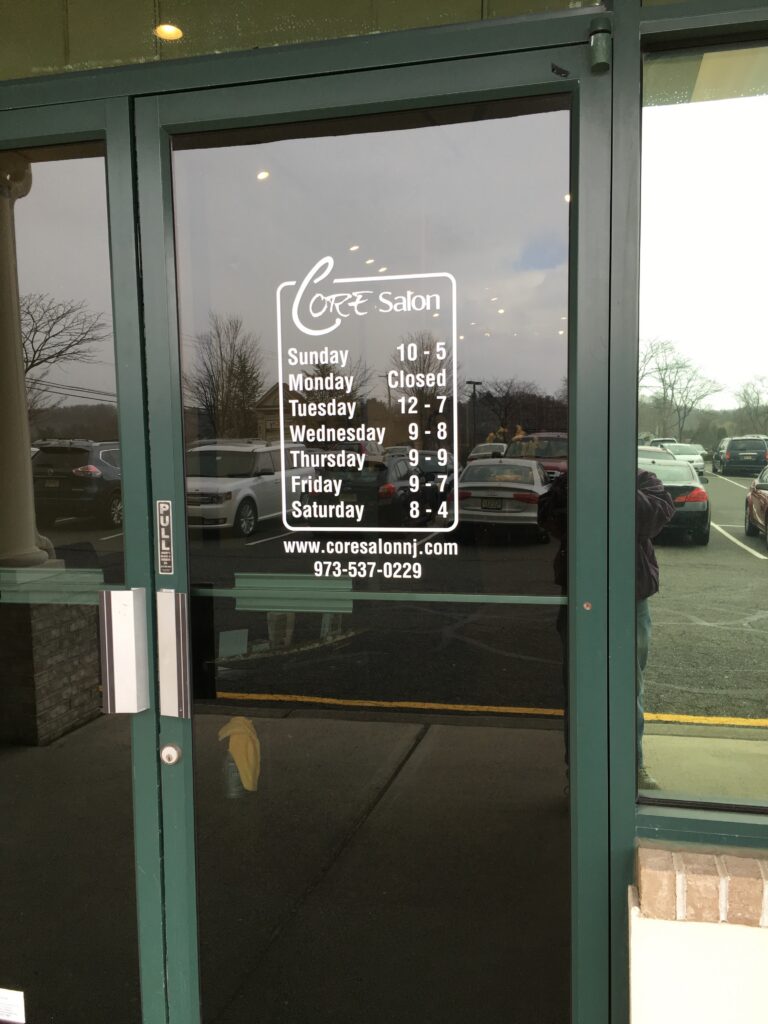
- Best Use: Flat or slightly curved surfaces like storefront windows, indoor wall graphics, and short-term event banners.
2. Cast Vinyl (Premium / High-Performance)
Cast vinyl is produced by pouring a liquid resin mixture onto a moving casting sheet, which is then baked in ovens to form a solid thin film.
- The Look & Feel: Very thin (around 2 mils) and highly pliable.
- Pros & Cons: It does not shrink, offers a painted-on look, and resists UV damage for close to a decade. It costs about 2 to 3 times more than calendered vinyl.
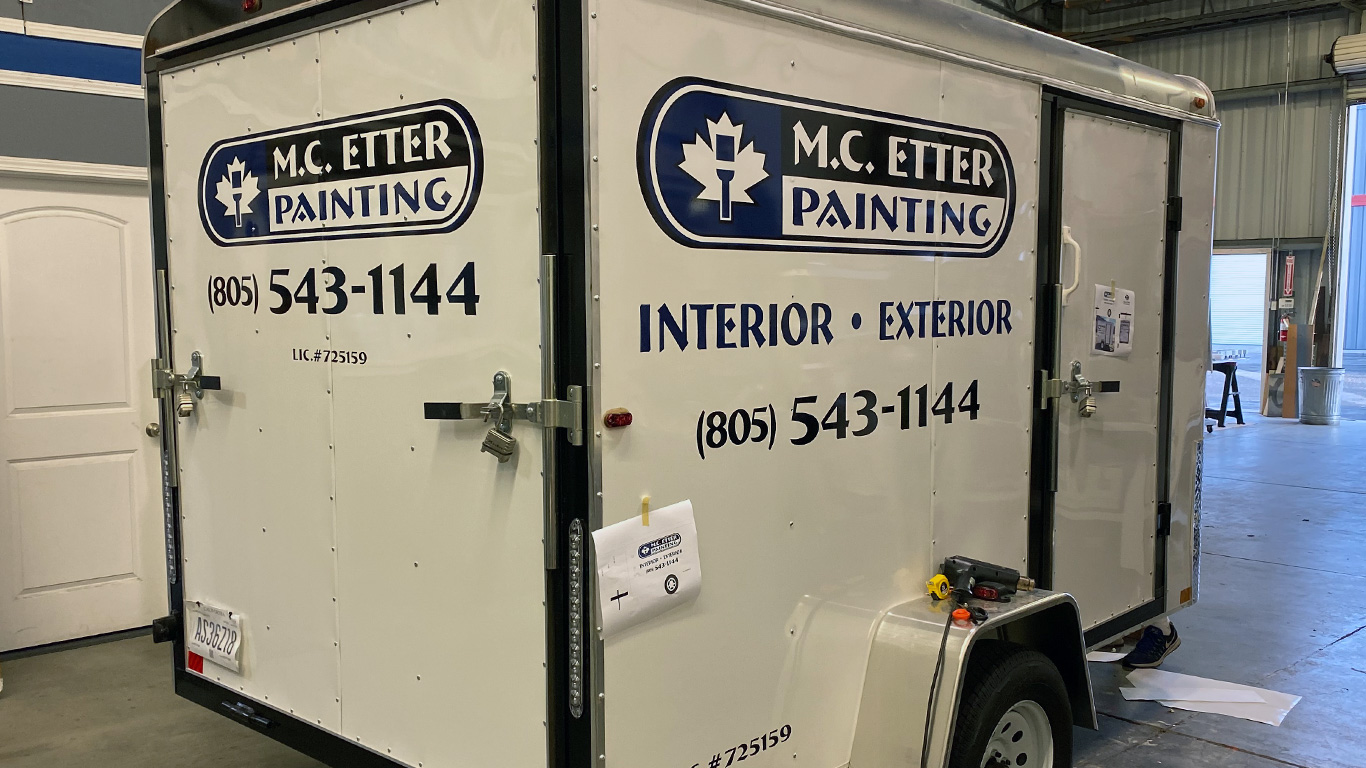
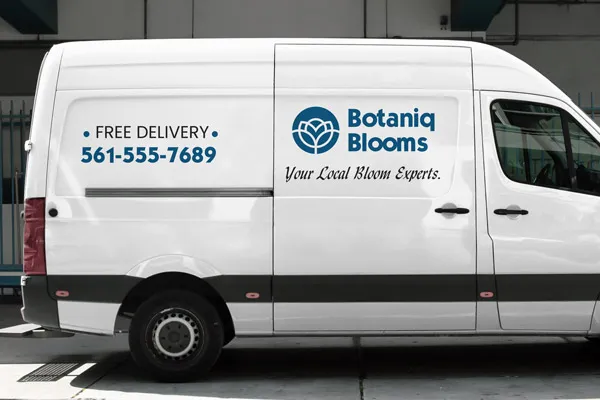
- Best Use: Vehicle lettering, boat graphics, outdoor brick or stucco surfaces, and anything requiring placement over rivets or sharp compound curves.
Special Adhesive Options to Consider
Beyond the manufacturing method, you will need to choose the right adhesive style depending on your project goal:
- Permanent Adhesive: Designed for long-term outdoor stick. If removed, it will leave a sticky residue behind and could damage soft indoor paint (e.g., Oracal 651 or 751).
- Removable Adhesive: Formulated to peel off cleanly without damaging walls or glass, making it ideal for temporary retail displays or home indoor decor (e.g., Oracal 631).
- Specialty Solid Finish Vinyl: This category includes reflective vinyl (often used for emergency vehicles or parking signs), metallic/brushed metal finishes, and translucent vinyl (designed to let light pass through for illuminated outdoor lightboxes). These specialty options typically add a 50% to 100% premium to the base price
What Drives the Final Cost Up?
If you are ordering a custom-cut design from a sign shop, keep these additional costs in mind:
- The “Weeding” Labor: If your design features highly intricate text or tiny geometric lines, shops will charge an extra fee (often billed hourly or by the “pick” count) to pull away the negative space vinyl by hand.
- Application Tape (Masking): A layer of transfer tape must be applied over the top of the cut vinyl so you can install it evenly on your surface. This usually adds a minor fee per square foot.
- Installation: Professional on-site application for vehicle wraps or high storefront windows typically runs between $150 to $500.